Many athletes seeking to enhance strength, speed, and muscle growth often focus on increasing their protein intake. However, there’s a misconception fuelled by advertising that athletes need excessive amounts of protein to reach their performance goals. Historically, athletes have turned to animal-based proteins like milk, chicken, and meat. Yet, with the right planning, plant-based sources can meet an athlete’s protein needs effectively.
Key Functions of Protein
Protein plays essential roles in:
• Repairing and regenerating damaged muscle tissue, especially post-exercise.
• Enhancing immune function.
• Facilitating muscle contraction.
• Increasing anabolic hormones to aid in muscle growth and recovery.
How Much Protein Do You Need?
The ideal protein intake for an athlete depends on several factors:
• Frequency and intensity of training sessions.
• Type of sport.
• Body weight.
• Age.
Can Vegan Athletes Meet Their Protein Needs?
Plant-based athletes need to carefully plan their diets to ensure they reach their protein goals but they absolutely can meet their protein needs. An understanding of amino acids, the building blocks of protein, is vital. Out of 20 amino acids in the human body, 9 are essential and must be obtained from the diet.
All plant foods contain these essential amino acids (EAAs), though pulses, grains, nuts, and seeds often have lower concentrations of one or more EAAs. In contrast, foods like soy products (e.g., tofu and soy milk), quinoa, chia and hemp seeds, buckwheat, and amaranth offer EAAs in a balanced or complete profile that aligns with the body’s needs. Eating a range of plant-based foods ensures any shortfall in EAAs in one food is covered by another; for instance, rice is low in lysine but high in methionine, while beans are high in lysine and low in methionine. Therefore, combining the two in one meal, makes a complete protein source. Think bean chilli or chickpea curry with rice.
However, it’s not actually necessary to combine plant proteins at each meal to achieve a balanced amino acid intake. The body maintains an amino acid pool, which it draws from as needed, making a varied vegan diet sufficient in protein as long as energy intake is adequate.
Best Sources of Plant-Based Protein
For vegan athletes, high-quality protein sources rich in the essential amino acid leucine—important for muscle synthesis—include:
Soy-Based Foods: Soy products are among the richest sources of plant-based protein.
Firm tofu: 13g per 100g
Tempeh:21g per 100g
Soy mince: 15g per 100g
Soy products, quinoa, buckwheat, amaranth, chia, and hemp seeds are “complete” proteins, offering all nine essential amino acids in optimal ratios, making them ideal for post-training intake.
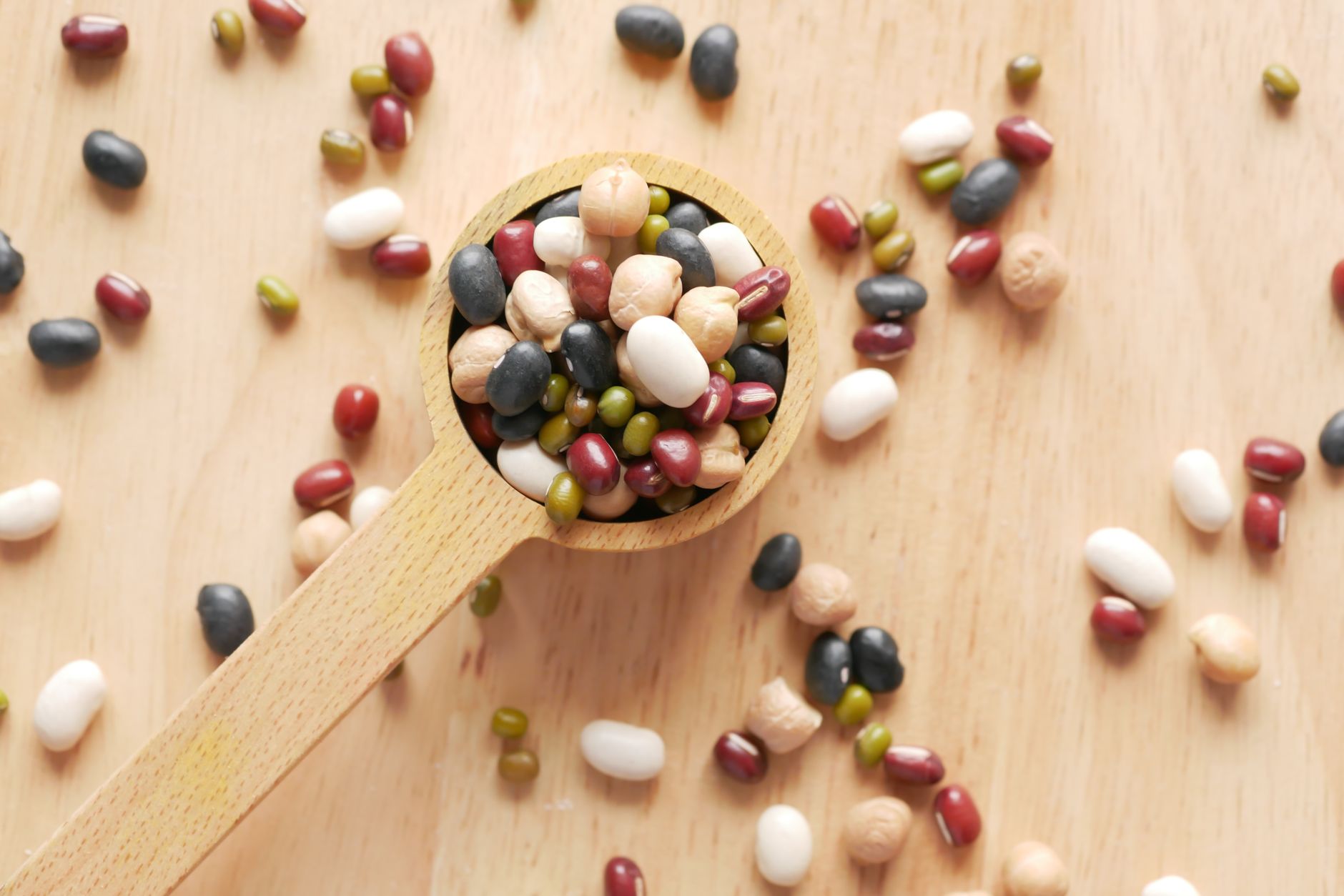
Beans, Lentils, and Peas: These legumes provide 7–9g of protein per 125g portion (or half a 400g tin).
Hummus, with a lower protein content of 3g per 50g portion, is a good snack but contains more water and oil.
Nuts and Seeds: Offering 6–9g of protein per 30g serving, nuts and seeds
Grains and Vegetables: Grains like pasta, bread, rice and oats also provide protein. Green vegetables like spinach, broccoli or kale also have a few grams of protein per 100g. While they may not be the primary protein source, they contribute to overall daily intake so should be included in meals.
Athletes should be mindful of their fibre content, as it may cause gastrointestinal discomfort if eaten too close to a workout
Summary
Plant-based athletes can meet their protein needs by understanding amino acids and prioritising diverse, high-quality plant proteins. Soy-based products, quinoa, legumes, nuts, seeds, grains, and vegetables contribute essential amino acids and ample protein for muscle repair, immune support, and recovery. Consuming a variety of these foods ensures a balanced amino acid profile and adequate protein intake.
If you are vegan or wanting to adopt a more plant based approach and not sure where to begin. Our Fuel Bespoke plan, is individualised to your needs and can help reach your potential around training, no matter what dietary pattern you may wish to adopt!


Leave a Reply